
Tips for Keeping Indoor Cats Healthy: The Ultimate Guide for Long and Happy Lives
Cats are natural explorers, climbers, and hunters. But when you keep them indoors, you must take extra steps to ensure they remain healthy, active, and mentally stimulated. While indoor cats are safe from outdoor dangers like traffic, predators, and parasites, they face challenges like obesity, boredom, and behavioral issues.
This aggressive, step-by-step guide will teach you the best tips for keeping indoor cats healthy, covering diet, exercise, grooming, mental stimulation, preventive care, and more.
Why Indoor Cats Need Extra Care
Indoor cats live longer on average than outdoor cats, but longevity alone does not equal health. Indoor environments can reduce physical activity and expose cats to stress or repetitive behaviors.
Common health challenges for indoor cats:
-
Obesity and weight gain
-
Dental disease
-
Behavioral problems due to boredom
-
Urinary tract issues
-
Poor muscle tone
Proper care ensures your indoor cat is not only safe but also happy and healthy.
Tip 1: Provide a Balanced and Nutritious Diet
A proper diet is the cornerstone of healthy indoor cats.
Key Guidelines:
-
High-protein food: Cats are obligate carnivores; quality protein is essential.
-
Controlled portion sizes: Indoor cats are less active, so adjust calories to prevent obesity.
-
Hydration: Wet food increases water intake; provide fresh water daily.
-
Avoid fillers: Grains and excessive carbs can contribute to weight gain.
Aggressive Tip: Consider consulting your vet for a tailored diet plan based on age, breed, and activity level.
Tip 2: Encourage Daily Exercise and Play
Indoor cats can become sedentary, so structured playtime is crucial.
Effective Strategies:
-
Interactive toys: Laser pointers, wand toys, and motorized toys mimic hunting.
-
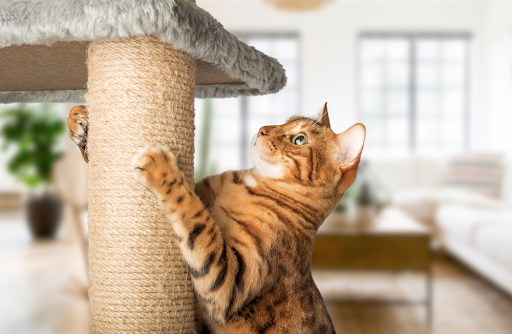
Cat trees and climbing shelves: Encourage climbing and stretching.
-
Scheduled play sessions: 15–20 minutes, 2–3 times daily.
-
Puzzle feeders: Stimulate both mind and body while rewarding with treats.
Pro Tip: Rotate toys every week to prevent boredom and keep your cat engaged.
Tip 3: Maintain Optimal Weight
Obesity is a major risk factor for indoor cat health problems, including diabetes, arthritis, and heart disease.
-
Weigh your cat monthly: Track changes over time.
-
Control treats: Limit to healthy, low-calorie options.
-
Use portioned meals: Avoid free-feeding kibble all day.
-
Vet check-ups: Early intervention if weight gain occurs.
Tip 4: Keep Indoor Cats Mentally Stimulated
Boredom can lead to destructive behavior or stress.
-
Environmental enrichment: Window perches, bird feeders, and interactive toys.
-
Training and tricks: Clicker training keeps their brain sharp.
-
New textures and spaces: Boxes, tunnels, and scratching posts provide variety.
-
Rotating challenges: Introduce new toys, puzzles, and scents.
A stimulated cat is a well-behaved and healthy cat.
Tip 5: Regular Grooming and Coat Care
Even indoor cats need grooming to prevent hairballs, matting, and skin problems.
-
Brushing frequency: Short-haired cats once a week; long-haired cats daily.
-
Bathing: Only if necessary; most indoor cats stay clean themselves.
-
Nail trimming: Prevents overgrowth and injury.
-
Ear and eye checks: Remove debris and watch for infections.
Pro Tip: Grooming strengthens the bond between you and your cat while supporting health.
Tip 6: Prevent Dental Problems
Dental health is often overlooked but critical for indoor cats.
-
Regular teeth brushing: Use cat-safe toothpaste and brushes.
-
Dental treats and toys: Help reduce plaque and tartar.
-
Vet dental check-ups: At least once a year.
Poor dental care can lead to systemic infections and chronic diseases.
Tip 7: Ensure a Clean and Safe Environment
Indoor cats spend most of their lives in your home, so environmental hygiene is key.
-
Clean litter boxes daily: Reduces infection risk and promotes proper elimination.
-
Safe household plants: Avoid toxic species like lilies, poinsettias, and philodendrons.
-
No small or swallowable objects: Prevent choking or intestinal blockages.
-
Avoid chemicals: Use pet-safe cleaning products.
A clean and safe environment reduces stress and prevents illness.
Tip 8: Monitor Health and Schedule Vet Visits
Regular veterinary care ensures early detection and prevention of diseases.
-
Annual exams: Check weight, teeth, ears, and overall health.
-
Vaccinations: Stay updated even for indoor cats.
-
Parasite control: Fleas, ticks, and worms can still affect indoor cats.
-
Behavior monitoring: Changes in appetite, energy, or litter habits can signal health issues.
Tip 9: Provide Social Interaction
Indoor cats need companionship and socialization to remain mentally healthy.
-
Human interaction: Petting, talking, and playtime.
-
Cat companions: Some cats benefit from having another feline friend.
-
Respect alone time: Cats also need quiet, private spaces.
Balance social interaction with independence for optimal mental health.
Tip 10: Enrichment Through Routine and Territory
Cats thrive on predictable environments and territorial awareness.
-
Consistent feeding schedule
-
Separate zones for eating, sleeping, and elimination
-
Window access for watching outdoor activity
-
Vertical spaces like shelves or cat trees
A well-structured indoor space reduces stress and behavioral issues.
Common Mistakes in Indoor Cat Care
❌ Overfeeding or free-feeding leading to obesity
❌ Lack of play and mental stimulation
❌ Neglecting grooming and dental care
❌ Ignoring behavioral changes
❌ Failing to schedule regular vet visits
FAQs: Tips for Keeping Indoor Cats Healthy
1. What is the best diet for indoor cats?
High-protein, low-carb diets with controlled portions and wet food for hydration are ideal.
2. How much exercise does an indoor cat need?
At least 30 minutes of active play daily, split into multiple sessions.
3. How often should I groom an indoor cat?
Short-haired cats weekly; long-haired cats daily. Regular brushing reduces hairballs and skin problems.
4. Can indoor cats get sick without going outside?
Yes, indoor cats are still susceptible to infections, obesity, dental disease, and stress-related issues.
5. Are multiple cats healthier than one?
Some cats thrive with companions; others prefer being solo. Assess personality before adding a second cat.
6. How do I prevent obesity in indoor cats?
Controlled portions, calorie-appropriate diets, daily play, and puzzle feeders help maintain healthy weight.
7. How often should indoor cats visit the vet?
At least once a year for check-ups, vaccinations, and dental cleaning. Older cats or those with chronic conditions may need more frequent visits.
Final Thoughts
Keeping indoor cats healthy requires consistent effort, attention, and understanding. With the right diet, exercise, grooming, mental stimulation, and preventive care, your indoor cat can thrive for years.
Start implementing these tips for keeping indoor cats healthy today, and enjoy a long, happy, and stress-free life with your feline companion.