
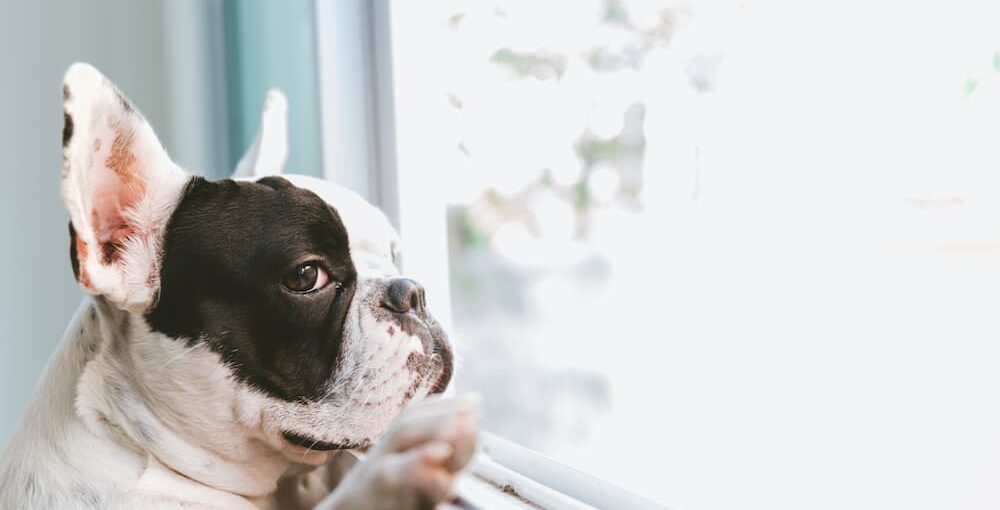
Introduction: The Part of Dog Ownership No One Likes to Talk About
Most dog owners love their dogs deeply—and still leave them alone longer than they should.
Not because they don’t care.
But because life is busy, work is demanding, and modern schedules weren’t designed with dogs in mind.
Yet from your dog’s perspective, long periods of isolation can quietly cause emotional damage that builds over time. Dogs don’t experience being alone the way humans do. What feels like “just a long day” to you can feel like extended abandonment to them.
Understanding the emotional damage of leaving your dog alone too long isn’t about guilt. It’s about awareness—and learning how to protect your dog’s mental and emotional health.
Why Dogs Struggle With Being Alone
Dogs are social animals by design.
They evolved to live in close-knit groups where isolation meant danger. In a modern home, humans replace the pack. This makes the dog–human relationship emotionally intense—and it also means that prolonged separation can be deeply distressing.
Dogs don’t understand:
- Why you left
- When you’ll return
- Whether being alone is temporary or permanent
They only experience the absence.
How Dogs Experience Time When Alone
Humans understand time abstractly. Dogs do not.
When you leave for eight hours, your dog doesn’t think, “They’ll be back after work.” They experience time as a long, uninterrupted stretch of uncertainty.
This is why leaving your dog alone too long can feel emotionally overwhelming, especially for:
- Puppies
- Senior dogs
- Rescue dogs
- Highly social breeds
Without reassurance, dogs may move from mild unease to chronic stress.
The Effects of Leaving a Dog Alone Too Long
The effects of leaving a dog alone go far beyond boredom.
1. Chronic Stress and Anxiety
Extended isolation raises cortisol levels. Over time, chronic stress can weaken your dog’s immune system, disrupt sleep, and alter behavior.
2. Development of Separation Anxiety
Repeated distress can turn into full-blown dog separation anxiety, characterized by panic when you leave—even for short periods.
3. Depression and Withdrawal
Some dogs don’t act out. Instead, they shut down. Loss of interest in play, excessive sleeping, and low energy are signs of emotional exhaustion.
4. Behavioral Problems
Chewing, barking, digging, pacing, or house soiling are often misinterpreted as “bad behavior.” In reality, they are coping mechanisms.
5. Regression in Training
Dogs under emotional stress may forget house training or obedience cues—not because they’re stubborn, but because stress disrupts learning.
Dog Loneliness Is Real (Even If It’s Invisible)
Many owners underestimate dog loneliness because it’s quiet.
Loneliness doesn’t always look dramatic. It often looks like:
- Waiting by the door
- Sleeping excessively
- Lack of enthusiasm
- Loss of appetite
- Hyper-excitement when you return
These are signs your dog’s emotional needs aren’t being fully met.
Signs of Separation Anxiety in Dogs
Recognizing signs of separation anxiety in dogs is critical.
Common signs include:
- Excessive barking or whining when alone
- Destructive behavior focused on exits
- Pacing or circling
- Drooling or panting excessively
- Attempts to escape
- Self-injury in severe cases
Not all dogs show obvious symptoms. Some internalize stress quietly, which can be even more damaging long-term.
How Long Can Dogs Be Left Alone?
There’s no universal answer—but general guidelines help.
- Puppies: 1–2 hours (gradually increasing with training)
- Adult dogs: 4–6 hours is ideal; 8 hours is often too long
- Senior dogs: Shorter periods due to physical and emotional needs
Breed, personality, history, and training all matter. Social breeds and rescue dogs often struggle more with isolation.
If you’re asking “How long can dogs be left alone?” the best answer is: shorter than most modern schedules allow.
Why Some Dogs Seem “Fine” Being Alone
Some dogs don’t display obvious distress. That doesn’t always mean they’re okay.
Dogs cope differently:
- Some vocalize
- Some destroy
- Some withdraw
A quiet dog may still be experiencing emotional strain. Absence of noise is not proof of emotional well-being.
The Impact on Dog Mental Health
Dog mental health is shaped by daily experience.
Chronic isolation can:
- Reduce confidence
- Increase fearfulness
- Lower resilience to stress
- Shorten attention span
- Increase dependency
Over time, this affects not only behavior—but overall quality of life.
How to Help a Dog With Separation Anxiety
If your dog struggles with being alone, there are ways to help.
1. Gradual Desensitization
Practice short absences and build up slowly. Leaving for seconds, then minutes, teaches your dog that departure isn’t permanent.
2. Enrichment Before You Leave
A mentally satisfied dog copes better alone. Walks, training, and play reduce stress.
3. Create a Safe Space
A comfortable area with familiar scents can help regulate emotions.
4. Avoid Emotional Departures
Overly dramatic goodbyes increase anxiety. Keep departures calm and routine.
5. Provide Midday Breaks
Dog walkers, daycare, or trusted neighbors can break long periods of isolation.
6. Seek Professional Help
Severe cases benefit from trainers or veterinary behaviorists.
Caring for Your Dog Emotionally (Not Just Practically)
Meeting dog emotional needs requires more than food and exercise.
Dogs need:
- Social interaction
- Predictability
- Mental stimulation
- Emotional reassurance
Caring for your dog emotionally means designing a life that acknowledges their social nature.
Balancing Modern Life With Dog Ownership
Modern work culture wasn’t built with dogs in mind—but responsible ownership means adapting.
Options include:
- Adjusted schedules
- Remote work when possible
- Doggy daycare
- Hiring help
These aren’t luxuries. They are investments in your dog’s mental health.
Why This Matters More Than You Think
Dogs don’t live long lives. Their days are fewer, their world smaller.
When large portions of that world are spent waiting—confused and alone—the emotional cost is real.
Understanding the emotional damage of leaving your dog alone too long isn’t about blame. It’s about compassion.
Being the Safe Place Your Dog Needs
Your dog doesn’t need perfection.
They need:
- Shorter absences
- Emotional consideration
- Consistent connection
When you make those changes, you don’t just reduce anxiety—you give your dog a better life.
Because to your dog, time without you isn’t empty.
It’s everything they’re missing.