
Cat Breeds and Traits: The Ultimate Guide to Choosing Your Perfect Feline
Cats are among the most beloved pets worldwide. Their graceful movements, playful personalities, and independent nature make them ideal companions for millions of households. But not all cats are the same. Understanding cat breeds and traits is crucial for choosing the right feline for your lifestyle.
This guide dives deep into popular cat breeds, their unique traits, temperaments, and care requirements, helping you make an informed decision and enjoy a lifelong bond with your furry friend.
Why Understanding Cat Breeds and Traits Matters
When searching for the best cat breeds, many people focus only on appearance. While looks are important, a cat’s personality, activity level, grooming needs, and compatibility with children or other pets often matter more.
Knowing cat breeds and traits helps you:
Predict behavior and personality
Choose the right cat for your home and lifestyle
Understand grooming and health requirements
Reduce surprises and ensure long-term happiness
Most Popular Cat Breeds and Their Traits
1. Persian Cat – The Royal Companion
Persians are instantly recognizable with their luxurious long coats and flat faces.
Traits & Personality:
Calm and affectionate
Enjoy indoor environments
Moderate activity level
High grooming needs
Ideal For:
Families or individuals looking for a gentle lap cat
Owners willing to invest in daily grooming
2. Maine Coon – The Gentle Giant
Maine Coons are among the largest domestic cats and are loved for their sociable nature.
Traits & Personality:
Friendly and intelligent
Playful and curious
Thick, water-resistant coat
Excellent with children and dogs
Ideal For:
Active households
Families with kids
Cat lovers who want a dog-like personality in a cat
3. Siamese – The Vocal and Social Cat
Siamese cats are famous for their striking blue eyes and point coloration, but their vocal personality sets them apart.
Traits & Personality:
Highly social and vocal
Intelligent and curious
Needs daily interaction
Short coat, low grooming
Ideal For:
Owners seeking an interactive companion
Households that can spend time playing and engaging daily
4. Ragdoll – The Relaxed Lap Cat
Ragdolls get their name from their tendency to go limp when picked up.
Traits & Personality:
Extremely gentle and affectionate
Calm and easygoing
Large, semi-long coat
Low aggression, great with children
Ideal For:
Families with young children
People looking for a calm, loving companion
5. British Shorthair – The Easygoing Classic
Known for their chubby cheeks and dense coat, British Shorthairs are calm and independent.
Traits & Personality:
Low-energy but affectionate
Tolerant of other pets
Low grooming needs
Easygoing temperament
Ideal For:
Apartment living
First-time cat owners
6. Bengal Cat – The Exotic Athletic Cat
Bengals look wild with their leopard-like spots but are domestic cats at heart.
Traits & Personality:
Active and playful
Intelligent and curious
Requires space and mental stimulation
Medium grooming needs
Ideal For:
Active owners
Homes with time to play and interact daily
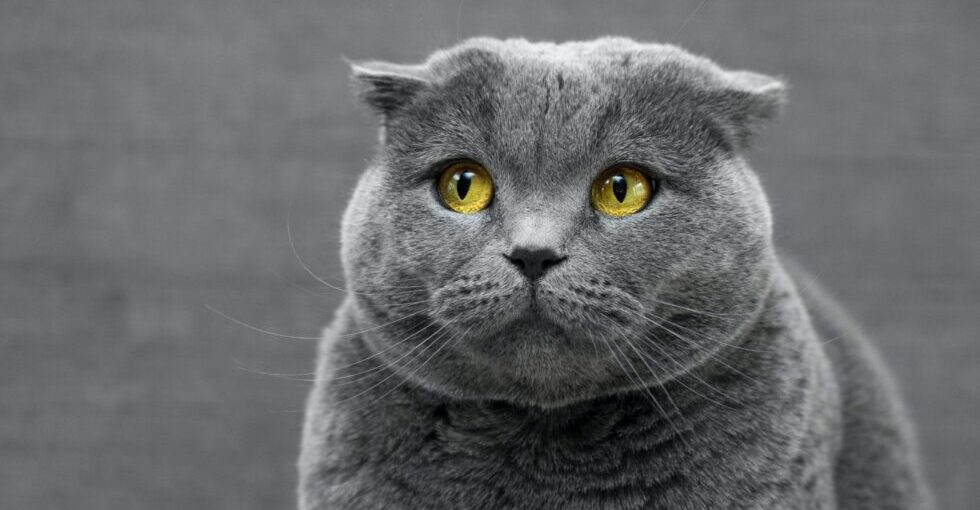
7. Scottish Fold – The Unique Ear Cat
Scottish Folds are instantly recognizable for their folded ears and sweet faces.
Traits & Personality:
Calm and affectionate
Adaptable and friendly
Moderate activity level
Low to medium grooming needs
Ideal For:
Families or individuals seeking a gentle, unique companion
8. Sphynx – The Hairless Wonder
Sphynx cats are bold, playful, and unique with their lack of fur.
Traits & Personality:
Energetic and affectionate
Requires warmth and skin care
Very social and curious
Hypoallergenic-friendly
Ideal For:
Owners who enjoy constant interaction
People with mild cat allergies
9. Abyssinian – The Active Explorer
Abyssinians are ancient cats known for their curiosity and energy.
Traits & Personality:
Highly active and playful
Intelligent and mischievous
Short coat, easy grooming
Strong prey instincts
Ideal For:
Owners with time to play and provide stimulation
Experienced cat owners
10. American Shorthair – The Classic Family Cat
American Shorthairs are among the most adaptable and easygoing breeds.
Traits & Personality:
Calm and friendly
Great with children and other pets
Low grooming needs
Healthy and resilient
Ideal For:
Families and first-time owners
Multi-pet households
Factors to Consider When Choosing a Cat Breed
Before bringing a cat home, consider these factors:
Activity Level – Some cats like Ragdolls are calm, while Bengals are hyperactive.
Grooming Needs – Long-haired cats like Persians require daily grooming; short-haired cats like Siamese do not.
Temperament – Social vs independent, vocal vs quiet.
Compatibility – Children, other cats, dogs, or small pets.
Health & Lifespan – Some breeds have genetic health issues that require attention.
Hypoallergenic Cat Breeds
Some people are allergic to cat dander. While no cat is 100% hypoallergenic, some breeds produce less allergen:
Sphynx
Russian Blue
Balinese
Bengal
Cornish Rex
Hypoallergenic cats may help reduce allergy symptoms but regular cleaning and grooming are still essential.
Tips for Bringing a New Cat Home
Prepare a safe space – A quiet room with food, water, litter box, and toys.
Introduce slowly – If you have other pets, gradual introduction prevents stress.
Regular vet checkups – Ensure vaccinations and health screenings.
Play and mental stimulation – Essential for active breeds.
Respect personality – Some cats are independent; don’t force interaction.
Common Mistakes When Choosing Cat Breeds
❌ Choosing only by appearance
❌ Ignoring temperament or activity level
❌ Underestimating grooming needs
❌ Not researching breed-specific health issues
❌ Expecting all cats to behave the same
Understanding cat breeds and traits prevents frustration and ensures a harmonious home.
FAQs: Cat Breeds and Traits
1. What is the most popular cat breed in the world?
The Persian cat and Maine Coon are among the most popular worldwide.
2. Which cat breed is best for families with kids?
Ragdolls, American Shorthairs, and Maine Coons are gentle and great with children.
3. What are the most active cat breeds?
Bengals, Abyssinians, and Siamese are highly energetic and playful.
4. Which cat breeds are hypoallergenic?
Sphynx, Russian Blue, Balinese, and Bengal are often recommended for allergy sufferers.
5. How do I choose a cat breed for an apartment?
Consider low-activity, calm breeds like British Shorthairs, Ragdolls, or Scottish Folds.
6. Are purebred cats healthier than mixed breeds?
Not necessarily. Mixed breeds often have fewer genetic problems, but purebreds may have predictable traits.
7. How long do most cat breeds live?
Average lifespan varies:
Small and medium cats: 12–16 years
Larger or purebred cats: 10–15 years
Proper care extends lifespan significantly.
Final Thoughts
Choosing the right cat is about more than looks. Understanding cat breeds and traits ensures that your new feline companion fits your lifestyle, personality, and home environment.
From the playful energy of Bengals to the calm affection of Ragdolls, there is a perfect cat for everyone — you just need to know what to look for. Take time, research breeds, and make a decision that ensures happiness for both you and your new furry friend.