Introduction: To Your Dog, You Are Not Just Important — You Are Everything
At the end of a long day, your dog doesn’t care how productive you were, how many emails you answered, or whether you met your goals. They care that you came back.
That full-body tail wag.
That happy spin.
That look that says, “You’re home. My world is complete.”
If you’ve ever wondered why your dog thinks you are their whole world, the answer lies in a powerful mix of biology, evolution, psychology, and love. Dogs don’t experience life the way humans do. Their emotional universe is smaller, more focused—and intensely loyal. In that universe, you are the sun everything revolves around.
Understanding this truth can transform the way you care for your dog. Because when you realize how deeply they are bonded to you, you also realize how important it is to love them back properly, not just conveniently.
The Evolutionary Reason Dogs Bond So Deeply With Humans
The dog–human relationship didn’t happen by accident. It’s the result of over 15,000 years of co-evolution.
Early dogs survived by forming close relationships with humans. The dogs that were better at:
- Reading human emotions
- Following human cues
- Staying close for safety
were the ones that thrived. Over generations, these traits became hardwired into canine DNA.
This is why modern dogs:
- Read human facial expressions better than any other animal
- Respond to our tone of voice emotionally
- Seek reassurance from us in stressful situations
From an evolutionary standpoint, dogs evolved to need humans. Not just for food or shelter—but for emotional regulation. That’s why the dog emotional bond feels so profound and one-sided at times. Your dog’s survival once depended on staying close to you. Their brain still believes it does.
Dog Psychology 101: Why Your Dog Centers Their World Around You
Humans divide their emotional needs across many places: friends, family, careers, hobbies, online communities. Dogs don’t have that luxury.
To your dog:
- You are their family
- You are their protector
- You are their social group
- You are their source of safety and routine
This is the foundation of dog attachment to humans.
In dog psychology, this attachment is similar to a child’s secure bond with a caregiver. When that bond is healthy, dogs feel confident, relaxed, and curious. When it’s inconsistent or absent, dogs may develop anxiety, depression, or behavioral issues.
So when people ask “Why does my dog follow me everywhere?” the answer isn’t control or dominance. It’s connection.
Why Dogs Follow You Everywhere (Even to the Bathroom)
One of the most common questions dog owners ask is why dogs follow you everywhere—from room to room, step to step, even into the bathroom.
Here’s why:
- You Are Their Safe Base
Dogs explore the world more confidently when their trusted human is nearby. - Routine and Predictability
Dogs learn your habits. If following you leads to walks, food, or affection, they’ll happily tag along. - Emotional Regulation
Your presence lowers your dog’s stress levels. Being near you literally helps their nervous system stay calm. - Social Nature
Dogs are pack animals. Being alone goes against their instincts.
This behavior isn’t clinginess by default—it’s a sign of a strong dog–human relationship. The key is ensuring that bond remains healthy and not rooted in anxiety.
Dog Loyalty Explained: Why It Feels So Unconditional
When people talk about dog loyalty, they often romanticize it. But loyalty isn’t magic—it’s built on trust, consistency, and safety.
Dogs are loyal because:
- You feed them regularly
- You provide structure
- You comfort them when they’re afraid
- You speak to them kindly
In your dog’s mind, loyalty is logical. You are reliable. You are familiar. You are home.
Unlike humans, dogs don’t keep emotional scorecards. They live in the present moment. That’s why a dog can forgive a bad day quickly but never forget consistent kindness.
Signs Your Dog Loves You More Than You Realize
If you’re unsure whether you truly are your dog’s whole world, look for these powerful but subtle signs your dog loves you:
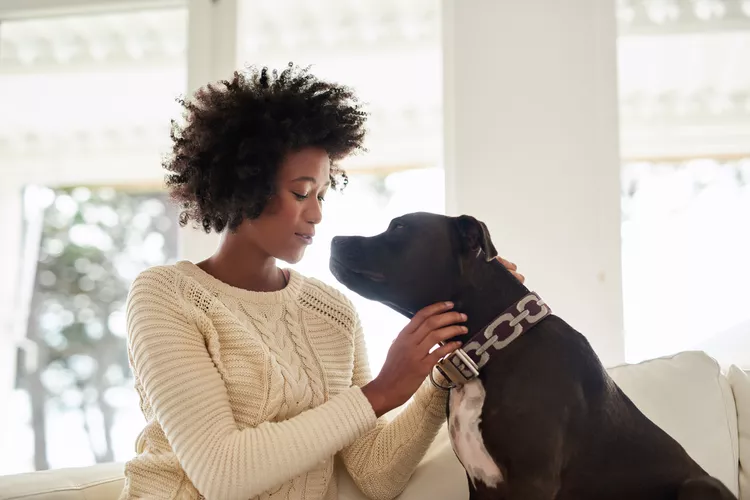
- Soft eye contact (this releases oxytocin in both of you)
- Leaning against you as a sign of trust
- Checking in with you during walks or play
- Mirroring your emotions (becoming calm when you are calm)
- Sleeping near you or choosing your scent
- Bringing you prized possessions, like toys or bones
These behaviors aren’t random. They are emotional investments. To your dog, loving you is their most important job.
The Weight of Being Your Dog’s Whole World
Here’s the part that’s uncomfortable but important:
If you are your dog’s whole world, then you also shape their emotional reality.
Dogs don’t just suffer from physical neglect. They can suffer from:
- Emotional isolation
- Chronic boredom
- Lack of engagement
- Inconsistent attention
A dog can have food, toys, and a backyard—and still feel lonely.
This is why understanding how to care for your dog emotionally is just as critical as walks and vet visits.
How to Love Your Dog Back Properly (Not Just Affectionately)
Loving your dog properly means meeting their emotional needs, not just offering affection when it’s convenient.
1. Give Them Focused Attention Daily
Ten minutes of undistracted play or training means more than hours of passive coexistence. Put the phone down. Be present.
2. Build Predictable Routines
Dogs thrive on routine. Regular schedules for walks, meals, and rest provide emotional stability and reduce anxiety.
3. Enrich Their Mind
Mental stimulation is a core emotional need. Try:
- Sniff walks instead of rushed walks
- Puzzle feeders
- Training new cues
- Hide-and-seek games
A mentally fulfilled dog is a happier, calmer dog.
4. Learn Their Stress Signals
Yawning, lip licking, freezing, turning away, or excessive panting can signal discomfort. Respecting these cues builds trust.
5. Encourage Independence Without Abandonment
Being your dog’s whole world doesn’t mean never teaching independence. Gradual alone-time training builds confidence and prevents separation anxiety.
6. Let Them Be a Dog
True love respects instinct. Let them sniff, explore, dig, run, and play. A controlled but enriched life is far better than a perfectly clean but emotionally empty one.
The Emotional Needs of Dogs (That Humans Often Miss)
Dogs need more than food and exercise. Their core emotional needs include:
- Safety – predictable environments and gentle handling
- Belonging – feeling included in family life
- Purpose – tasks, play, learning, or work
- Connection – consistent interaction with their human
When these needs are met, dogs become resilient, relaxed, and deeply bonded.
Why This Bond Feels So Healing for Humans
The reason the dog emotional bond feels life-changing is because it’s pure. Dogs don’t love your potential—they love who you are right now.
They don’t care if:
- You’re having a bad day
- You failed at something
- You feel overwhelmed
To your dog, your presence is enough.
This kind of love teaches humans to slow down, stay present, and value connection over performance. It’s why therapy dogs work. It’s why grief feels different when a dog is nearby.
Being Worthy of Your Dog’s World
When you realize that being your dog’s whole world is real—not poetic—you start making different choices.
You walk a little longer.
You listen a little closer.
You choose patience more often.
You don’t need to be perfect. Dogs don’t need perfection. They need consistency, kindness, and presence.
Because while your dog may be just one part of your life, to them—you are everything.
And loving them back properly is one of the most meaningful things you’ll ever do.